
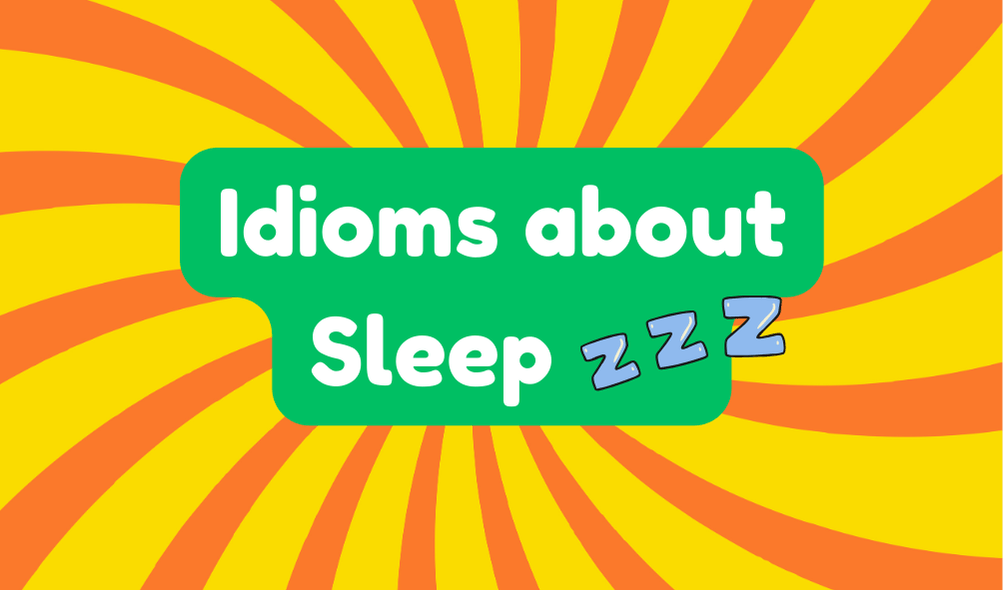
Sleep. We chase it, we lose it, we brag about not getting enough of it, and sometimes—when the stars align—we actually enjoy it. But for something so natural, we sure talk about it a lot. Over the centuries, people have come up with dozens of colorful ways to describe the act of drifting off, staying up, or refusing to rest. These sleep idioms aren’t just fun turns of phrase; they’re windows into how humans think about rest, work, and balance.
Whether you’re the type who burns the midnight oil, hits the snooze button three times every morning, or could sleep through an earthquake, these expressions capture the full spectrum of our relationship with sleep—from blissful surrender to caffeine-fueled chaos. So grab a cup of tea (or maybe don’t, if it’s after 9 p.m.), get cozy, and let’s tuck into 15 timeless idioms about everyone’s favorite nightly ritual.
Hit the Hay
Back in the day, mattresses weren’t memory foam—they were literally sacks of hay. So when someone said, “I’m going to hit the hay,” they weren’t being poetic; they were just heading to bed. These days, it’s a friendly, casual way to announce you’re calling it a night.
Meaning:
To go to bed or prepare to sleep.
Example:
“It’s been a long day. I’m wiped—time to hit the hay.”
Origin:
Dates back to the late 19th century, when rural folks slept on hay-stuffed bags. “Hit the sack” popped up around the same time.
Synonyms:
Turn in, crash, call it a night.
How to Use:
Perfect for when you’re yawning mid-sentence: “Alright, I’m gonna hit the hay before I fall asleep right here.”
Sleep Like a Log
If you’ve ever seen a log move in its sleep, you might be hallucinating. This idiom paints the picture of total, immovable rest—the kind where you could sleep through a marching band.
Meaning:
To sleep very deeply and soundly.
Example:
“Once my head hit the pillow, I slept like a log till morning.”
Origin:
Logs don’t move, breathe, or roll over—an easy metaphor for the deep stillness of perfect sleep.
Synonyms:
Out cold, dead to the world, knocked out.
How to Use:
Use it when bragging about your rest: “I was so exhausted I slept like a log.”
Counting Sheep
We’ve all been there—lying awake, trying to coax our brains into shutting up. Enter the world’s oldest DIY sleep hack: counting sheep.
Meaning:
To visualize repetitive, soothing images (like sheep jumping fences) to help fall asleep.
Example:
“I couldn’t sleep, so I started counting sheep. I got to 238 before I passed out.”
Origin:
This idiom goes back to medieval England, when shepherds literally counted their flocks at night—later becoming a mental trick for sleepless minds.
Synonyms:
Try to nod off, drift off, fight insomnia.
How to Use:
When you’ve been staring at the ceiling for hours: “Guess it’s time to start counting sheep.”
Burn the Midnight Oil
Ah, the badge of honor for overachievers and workaholics. Once, it literally meant working by candle or oil-lamp light; today, it’s what you do when you’re answering emails at 2 a.m.
Meaning:
To stay up late working or studying.
Example:
“Deadline’s tomorrow—I’ll be burning the midnight oil tonight.”
Origin:
From the days before electricity, when studying or crafting after dark required burning lamp oil.
Synonyms:
Pull an all-nighter, work late, grind it out.
How to Use:
When explaining those dark circles under your eyes: “Yeah, I’ve been burning the midnight oil again.”
Catch Some Z’s
Sometimes you don’t need deep rest or a full eight hours—you just need to sneak in a nap. “Catching some Z’s” captures that casual, almost playful approach to sleep.
Meaning:
To get some sleep, especially a short rest or nap.
Example:
“Let me catch some Z’s before the next meeting.”
Origin:
The letter “Z” has long been comic shorthand for snoring sounds in cartoons and comics.
Synonyms:
Nap, snooze, grab some shut-eye.
How to Use:
Text it: “Running on fumes. Gonna catch some Z’s before work.”
Dead to the World
When someone says you’re “dead to the world,” they don’t mean it literally (hopefully). It means you’re sleeping so deeply you might as well be in another dimension.
Meaning:
Sleeping so soundly that you’re completely unaware of anything happening around you.
Example:
“Thunderstorm? Didn’t hear a thing—I was dead to the world.”
Origin:
Dates to the 1600s, linking deep unconsciousness to death’s stillness.
Synonyms:
Out cold, in dreamland, totally zonked.
How to Use:
After an exhausting trip: “Once I hit the bed, I was dead to the world.”
Up All Night
The soundtrack of insomnia, heartbreak, and late-night binge-watching. Being “up all night” can mean either misery or mischief—context matters.
Meaning:
To stay awake through the night.
Example:
“We were up all night finishing that project.”
Origin:
Straightforward phrase that became popular during the 20th century as nightlife and workaholism grew.
Synonyms:
Pull an all-nighter, stay awake, grind through the night.
How to Use:
For any overnight adventure or struggle: “Between the baby crying and my brain racing, I was up all night.”
Beauty Sleep
Even science backs this one up. When you sleep well, you really do look better—healthier skin, brighter eyes, the works. So yes, it’s called “beauty sleep” for a reason.
Meaning:
Sleep needed to look and feel refreshed.
Example:
“Don’t wake her—she’s getting her beauty sleep.”
Origin:
Victorian-era women popularized the phrase when afternoon naps became fashionable for maintaining a “radiant” look.
Synonyms:
Rest, rejuvenation, shut-eye.
How to Use:
Playful but real: “Sorry, can’t stay out late—I need my beauty sleep.”
Sleep on It
Sometimes the best thing you can do isn’t to decide—it’s to sleep. “Sleep on it” means giving your mind a night to mull things over.
Meaning:
To delay a decision until after a night’s rest.
Example:
“I’m not sure if I should accept the offer. I’ll sleep on it.”
Origin:
Comes from the belief that rest helps clear thinking—an idea modern neuroscience happily supports.
Synonyms:
Think it over, mull it, take a night to decide.
How to Use:
For any tough call: “Don’t rush it—sleep on it and see how you feel in the morning.”
Toss and Turn
The exact opposite of sleeping like a log. If you’re tossing and turning, your body’s staging a full-blown protest against rest.
Meaning:
To move restlessly while trying to sleep.
Example:
“I tossed and turned all night worrying about the interview.”
Origin:
Used since the 14th century to describe the physical restlessness of sleeplessness.
Synonyms:
Lie awake, can’t get comfortable, struggle to sleep.
How to Use:
“When I drink coffee after 5 p.m., I just toss and turn all night.”
Hit the Snooze Button
In our modern world, few idioms hit closer to home. The snooze button—our frenemy—offers nine more glorious minutes before responsibility reclaims us.
Meaning:
To delay getting up by hitting snooze on an alarm.
Example:
“I hit the snooze button three times before finally rolling out of bed.”
Origin:
Emerged in the mid-20th century with the invention of mechanical alarm clocks featuring snooze functions.
Synonyms:
Delay waking, steal a few extra minutes, procrastinate on rising.
How to Use:
“Every morning’s a battle between my ambition and the snooze button.”
Forty Winks
Sometimes, all you need is a mini-nap to recharge. “Forty winks” has nothing to do with counting; it’s just a cheeky way of saying “a short sleep.”
Meaning:
A brief nap, usually during the day.
Example:
“I’ll grab forty winks before heading back out.”
Origin:
Early 19th-century British slang—“winks” referring to eye closures, and forty meaning “a small, unspecified number.”
Synonyms:
Power nap, catnap, short rest.
How to Use:
“When I’m running on empty, even forty winks does wonders.”
Catnap
Cats are the true sleep masters—they can doze anywhere, anytime. A “catnap” is a short, refreshing rest, usually less than an hour.
Meaning:
A brief, light sleep taken during the day.
Example:
“Caught a quick catnap during lunch—it saved my afternoon.”
Origin:
First used in the 1800s, inspired by the feline habit of short, frequent naps.
Synonyms:
Power nap, quick snooze, shut-eye.
How to Use:
“I can survive long days as long as I squeeze in a catnap.”
Not Lose Sleep Over It
Worried about something minor? This idiom says—don’t be. It’s a pep talk disguised as advice.
Meaning:
To not let something bother or stress you enough to affect your sleep.
Example:
“They rejected the proposal, but I’m not losing sleep over it.”
Origin:
Popularized in the 20th century as people began linking stress and insomnia.
Synonyms:
Don’t stress, let it go, no big deal.
How to Use:
Perfect for perspective: “Sure, I made a mistake—but I’m not losing sleep over it.”
Asleep at the Wheel
When someone’s “asleep at the wheel,” they’re not literally snoozing—they’re neglecting their responsibilities when alertness is crucial.
Meaning:
To be inattentive or careless at an important moment.
Example:
“The manager was asleep at the wheel while the deal fell apart.”
Origin:
Comes from early automobile days, when falling asleep while driving was (and still is) a literal disaster.
Synonyms:
Negligent, distracted, off your game.
How to Use:
“You can’t afford to be asleep at the wheel during crunch time.”
Sweet Dreams and Sharp Mornings: The Wrap-Up
So there you have it—15 idioms that show how we talk about sleep, avoid it, crave it, and occasionally mess it up. From “hitting the hay” to “burning the midnight oil,” these phrases remind us that rest is both universal and deeply personal. We all dance between exhaustion and rejuvenation, between ambition and peace.
If there’s one takeaway, it’s this: language reflects our lives. And since sleep takes up roughly a third of it, we might as well describe it with some flair.
So tonight, whether you’re counting sheep, chasing dreams, or catching those elusive Z’s—may you sleep like a log and wake ready to take on the world.
Don’t forget to check out some timeless idioms if you’re still struggling to sleep.
Sweet dreams, champ. 🌙
Related posts:
 15 Idioms About Success: Wisdom, Grit, and Getting Things Done
 17 Brutally Honest Idioms About Lying That Expose the Truth Behind the Talk
 Written in the Stars: 17 Powerful Star Idioms That Explain Luck, Dreams, and Human Delusion
 15 Powerful Idioms About Hard Work That Separate the Dreamers from the Doers
