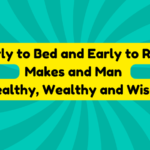
The term "early bird" refers to someone who rises early to take advantage of opportunities. Its origin lies in the proverb "the early bird catches the worm," promoting industriousness, dating back to 1636. Common examples include "early bird special," which denotes discounts for prompt actions. While early rising suggests productivity, it's important to acknowledge diverse perspectives on success. Not everyone thrives in the morning. Exploring this topic further reveals more about its modern implications and nuances.
Synonyms
When it comes to finding synonyms for the term "early bird," one might think that a simple list would suffice, but language often reveals deeper relationships. Understanding the nuances surrounding this concept allows innovation in communication. Here are four compelling alternatives:
- Morning person
- Timely individual
- Dawn riser
- Prompt participant
Each synonym conveys similar sentiments but highlights different aspects. A morning person suggests cheerfulness, while a timely individual emphasizes reliability. Realizing these distinctions enables effective choices in communication, fostering clarity, and enhancing one's understanding of the importance of early rising in diverse contexts.
Example of Sentences
Understanding the phrase "early bird" requires more than just familiarity; it demands acknowledgment of its practical relevance in everyday life. The importance of adopting early bird strategies is evident through various real-world scenarios, illustrating the advantages of this mindset. Consider the following examples:
- An early bird enjoys a peaceful morning routine.
- Early bird registration at conferences often brings discounts.
- Competitive professionals realize early bird benefits in career growth.
- Students who wake early tend to excel academically.
Origin
Originating from a deeper cultural context, the phrase "the early bird catches the worm" has been used for centuries to promote the value of rising early and seizing opportunities. Its proverb origins trace back to 1636 in William Camden's writings, indicating a long-standing appreciation for this concept. The phrase illustrates cultural significance, advocating for industriousness and early action as pivotal for success. Modern interpretations often overlook its historical roots, simplifying the message to mere time management. Yet, the proverb urges a broader reflection on diligence and the rewards of taking initiative amidst life's perpetual competition for opportunities.
Collocations
The phrase "early bird" has given rise to various collocations that highlight its significance in everyday language. Understanding these terms can reflect the early risers benefits and early bird impact on daily life. Here are a few notable examples:
- Early bird special – discounts for early purchases.
- Early bird registration – incentivizing early sign-ups for events.
- Early bird gets the worm – asserting the value of initiative.
- Early bird pricing – a strategy to attract prompt customers.
These collocations illustrate how prioritizing early actions can influence success, although not everyone benefits equally from such commitments.
How to Use in Everyday Language
Using the term "early bird" in everyday language can often reflect a person's approach to life and their time management skills. Emphasizing early bird habits, individuals might highlight their dedication to productivity and self-discipline. However, this mindset also invites skepticism; some may view the notion as an unrealistic expectation for everyone. There are measurable early bird benefits, such as increased efficiency or improved well-being, but these advantages may not apply universally. It is important to recognize that varying lifestyles can influence the effectiveness of these habits, challenging the assumption that rising early is the best strategy for success.
Why Is It Still Relevant Today?
Although many still champion the idea of being an early bird as a hallmark of success and productivity, its relevance in modern society merits a critical examination. While early rising aligns with certain lifestyle choices that promise productivity benefits, this notion might overlook individual differences, such as natural sleep patterns and personal preferences. The hustle culture often glorifies early mornings, yet many successful individuals thrive during unconventional hours. As society evolves with flexible work environments and diverse creativity cycles, the early bird mentality may require reconsideration, allowing for a more inclusive understanding of productivity and success tailored to individual needs.