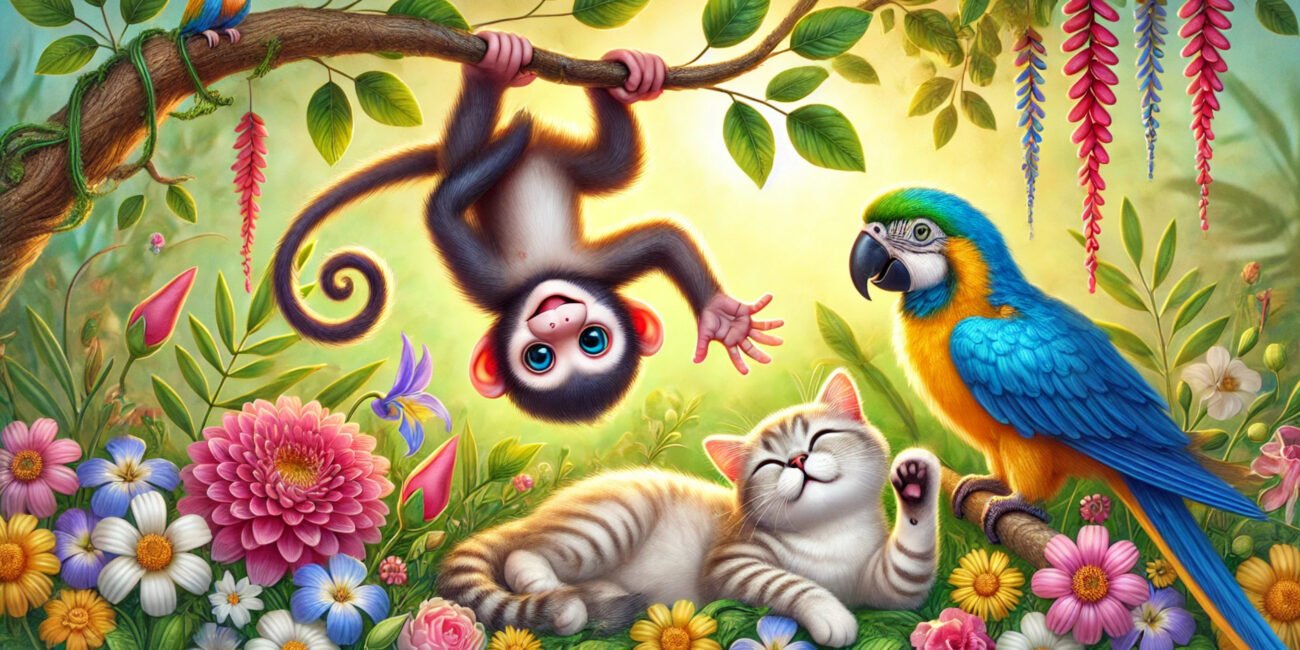
Let’s be honest. Humans are weird. We overthink, overreact, panic about emails, celebrate small wins like they’re Super Bowls, and pretend we’re “fine” when we clearly are not. And for centuries, instead of admitting all that outright, we’ve used animals to explain ourselves. Because somehow, it’s easier to say “I was a chicken” than “I panicked and bailed.”
Animal idioms exist because animals are honest. A dog doesn’t pretend it’s loyal. A bull doesn’t pretend it’s gentle. A cat doesn’t pretend it cares. And when people noticed these patterns, they did what people always do — they turned them into language.
These idioms are funny, yes. But they’re also sharp. They call out behavior, habits, and personality traits in a way that sticks. You hear one once, and you remember it for life. That’s why they’ve survived centuries, crossed cultures, and still get used in everyday conversations today.
So let’s walk through 21 of the funniest, most useful animal idioms in English — not rushed, not skimmed, but properly explained so they actually sink in.
Let the Cat Out of the Bag
This idiom perfectly captures that moment when a secret escapes before it’s supposed to. Maybe someone hinted too much. Maybe they got excited. Maybe they just can’t keep their mouth shut. Either way, once the cat’s out of the bag, there’s no stuffing it back in.
The phrase works because secrets are like cats — unpredictable, curious, and determined to escape confinement. You can plan all you want, but once the timing’s off, the truth just leaps out and causes chaos. What makes this idiom funny is how accidental it often feels. Most people don’t intend to spill secrets. They just underestimate how slippery information can be.
Meaning: Reveal a secret
Example: He let the cat out of the bag about the surprise party.
Origin: Old market scams involving animals
Synonyms: Spill the beans
How to Use: Use when a secret is revealed too early
The Elephant in the Room
This idiom describes the thing everyone sees but nobody wants to talk about. It’s big. It’s obvious. It’s awkward. And somehow, everyone agrees to pretend it isn’t standing there crushing the furniture.
The humor comes from the sheer absurdity. An elephant is impossible to ignore. Yet socially, humans are experts at ignoring uncomfortable truths. Bad management. Tension at dinner. A failing project. We tiptoe around it because addressing it feels riskier than silence.
Meaning: An obvious issue being ignored
Example: Let’s address the elephant in the room.
Origin: 19th-century metaphor
Synonyms: Unspoken problem
How to Use: Use to call out avoidance
Hold Your Horses
This idiom is about slowing down before things get out of hand. It’s what you say when someone’s charging ahead without thinking, planning, or waiting their turn.
Horses represent power and momentum. Once they start moving, stopping them takes effort. That’s why this phrase works so well — it reminds people that enthusiasm without control can lead to wreckage.
Meaning: Slow down
Example: Hold your horses, let’s think first.
Origin: Horse-drawn travel
Synonyms: Wait a second
How to Use: Use to pause action
A Bull in a China Shop
This idiom paints a perfect picture of someone clumsy, blunt, or careless in a delicate situation. The humor is obvious. A bull doesn’t belong anywhere near fragile porcelain, and neither does someone with zero tact belong in sensitive conversations.
It’s often used when someone’s intentions might be fine, but their execution is disastrous. They say too much, move too fast, or completely miss social cues.
Meaning: Clumsy or tactless behavior
Example: He’s a bull in a china shop.
Origin: Farm imagery
Synonyms: Heavy-handed
How to Use: Use for social clumsiness
Kill Two Birds with One Stone
Efficiency is the heart of this idiom. It describes solving two problems with one action, and while the wording is a bit brutal, the logic is solid.
People love this phrase because it celebrates smart planning. Less effort, more reward. Why do things twice when one well-placed move handles everything?
Meaning: Solve two problems at once
Example: I’ll run errands and visit her — two birds, one stone.
Origin: Ancient proverb
Synonyms: Multitask effectively
How to Use: Use for efficiency
The Early Bird Catches the Worm
This idiom rewards preparation and punctuality. The message is simple: those who show up early get first access to opportunity.
It sticks because nature doesn’t wait. Worms don’t linger for late sleepers. Timing matters, and this phrase quietly encourages discipline without lecturing.
Meaning: Success comes to those who act early
Example: He got the deal — early bird.
Origin: 17th-century proverb
Synonyms: First mover advantage
How to Use: Use to encourage promptness
A Fish Out of Water
This idiom describes discomfort and disorientation. A fish belongs in water. Take it out, and everything feels wrong. That’s exactly how humans feel when they’re out of place socially, culturally, or professionally.
It’s funny because it’s painfully relatable. New job. New city. New group. Suddenly, nothing flows naturally.
Meaning: Feeling uncomfortable
Example: I felt like a fish out of water.
Origin: Natural habitat imagery
Synonyms: Out of place
How to Use: Use for unfamiliar settings
Cry Wolf
This idiom is a warning about credibility. If you exaggerate problems too often, people stop listening — even when the danger is real.
The humor is subtle, but the lesson is serious. Trust, once damaged, is hard to rebuild.
Meaning: Give false alarms
Example: Stop crying wolf.
Origin: Aesop’s fables
Synonyms: Exaggerate danger
How to Use: Use when trust erodes
Like a Headless Chicken
This phrase describes frantic, unorganized activity. Lots of movement. No direction.
It’s funny because everyone has been that chicken at some point — busy, stressed, and accomplishing nothing.
Meaning: Acting frantically
Example: He’s running around like a headless chicken.
Origin: Farm observations
Synonyms: Panicking
How to Use: Use for chaos
Cat Got Your Tongue
This idiom is used when someone suddenly goes quiet, often awkwardly so. It’s playful, teasing, and just sarcastic enough to sting.
The image is ridiculous, which makes the moment lighter.
Meaning: Unable or unwilling to speak
Example: What’s wrong — cat got your tongue?
Origin: Unclear folklore
Synonyms: Speechless
How to Use: Use humorously
Straight from the Horse’s Mouth
This idiom emphasizes reliability. Information directly from the source is better than rumors or secondhand gossip.
It’s funny because horses aren’t known for talking, yet we trust them metaphorically.
Meaning: From the original source
Example: I heard it straight from the horse’s mouth.
Origin: Horse trading
Synonyms: Direct source
How to Use: Use to confirm authenticity
Monkey See, Monkey Do
This idiom explains imitation without thought. People copy behaviors simply because they see others doing them.
It’s funny, but also uncomfortably accurate.
Meaning: Mindless imitation
Example: Kids learn by monkey see, monkey do.
Origin: Observational behavior
Synonyms: Copycat behavior
How to Use: Use for imitation
Eagle Eye
This idiom praises sharp observation. Eagles see what others miss.
It’s often used as a compliment for attention to detail.
Meaning: Sharp vision or awareness
Example: She caught the error with an eagle eye.
Origin: Predator vision
Synonyms: Sharp-eyed
How to Use: Use as praise
A Dark Horse
A dark horse surprises everyone. Quiet. Underestimated. Then suddenly, successful.
People love this idiom because it celebrates unexpected wins.
Meaning: Unexpected success
Example: She was the dark horse.
Origin: Horse racing
Synonyms: Underdog
How to Use: Use for surprise success
Dog Eat Dog
This idiom describes ruthless competition. No mercy. Everyone for themselves.
It’s blunt because competition often is.
Meaning: Ruthless environment
Example: It’s dog eat dog out there.
Origin: Survival imagery
Synonyms: Cutthroat
How to Use: Use for harsh competition
Wild Goose Chase
A pointless pursuit. Lots of effort. Zero payoff.
The phrase sticks because frustration sticks.
Meaning: Futile effort
Example: That lead was a wild goose chase.
Origin: Hunting practices
Synonyms: Dead end
How to Use: Use for wasted effort
As Busy as a Bee
This idiom celebrates productive busyness. Bees work constantly and efficiently.
It’s positive, not chaotic.
Meaning: Very busy
Example: She’s busy as a bee.
Origin: Observation of bees
Synonyms: Hardworking
How to Use: Use positively
Copycat
Short, sharp, and judgmental. This idiom calls out imitation without originality.
Meaning: Someone who copies
Example: Stop being a copycat.
Origin: Cat mimicry
Synonyms: Imitator
How to Use: Use playfully or critically
Smell a Rat
Instinctive suspicion. Something feels off.
Rats symbolize sneaky behavior, and this idiom captures gut feelings perfectly.
Meaning: Sense deception
Example: I smell a rat.
Origin: Pest symbolism
Synonyms: Suspect foul play
How to Use: Use for suspicion
Bird Brain
Light insult. Mild teasing. Questioning intelligence.
It survives because it’s sharp but not brutal.
Meaning: Silly or foolish
Example: Don’t be a bird brain.
Origin: Brain size myth
Synonyms: Airhead
How to Use: Use jokingly
Hungry Like a Wolf
We end with intensity. This idiom expresses extreme desire — for food, success, or achievement.
Wolves don’t hesitate. They hunt.
Meaning: Extremely hungry or eager
Example: He’s hungry like a wolf for success.
Origin: Predator behavior
Synonyms: Highly driven
How to Use: Use for strong desire
Final Thoughts
Animals don’t overthink. Humans do. That’s why these idioms work — they cut through nonsense and explain behavior instantly.
Language remembers what life teaches.
Related posts:
 Written in the Stars: 17 Powerful Star Idioms That Explain Luck, Dreams, and Human Delusion
 Frozen Wisdom: 15 Powerful Winter and Snow Idioms That Explain Life Better Than a Weather App
 Timeless Truths: 21 Powerful Idioms About Time That Explain Life Better Than Any Clock
 15 Idioms About Success: Wisdom, Grit, and Getting Things Done